Maintenance and Operation of Parallel Twin Screw Extruder
In the world of modern polymer processing, the Parallel Twin Screw Extruder is one of the most important machines for producing high-quality plastic compounds. Its ability to mix, melt, and homogenize materials efficiently makes it indispensable in industries ranging from automotive to packaging. But like any sophisticated piece of machinery, its performance depends heavily on proper operation and maintenance. Let’s take a closer look at how to keep this powerful extruder running smoothly and efficiently.
Understanding the Basics
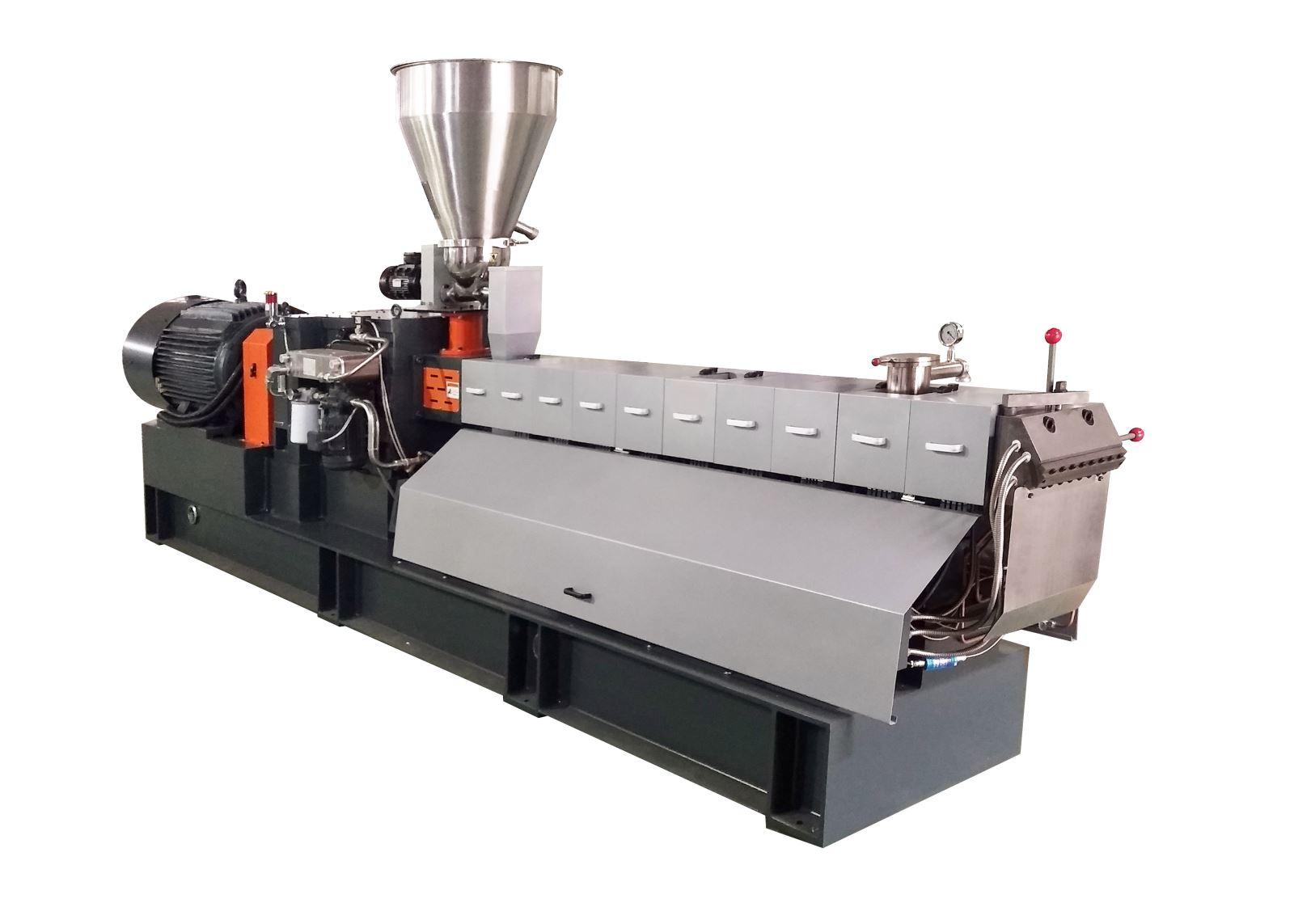
A Parallel Twin Screw Extruder—such as those available from Audop—features two intermeshing screws that rotate in the same direction within a barrel. This design ensures excellent material mixing and consistent output. It’s ideal for compounding engineering plastics, masterbatches, and thermoplastic elastomers, thanks to its superior dispersive and distributive mixing capabilities.
However, this precision machinery demands more than just “turn it on and go.” Proper operation and regular care can significantly extend its lifespan and improve product quality.
Daily Operation Tips
Preheat Gradually – Before feeding materials, always preheat the barrel zones and die head according to the material’s processing temperature. Sudden heating can lead to uneven thermal expansion, risking screw or barrel damage.
Feed Material Consistently – Avoid sudden changes in feed rate or composition. A steady, well-controlled feeding process ensures uniform plasticizing and prevents surging or blockages.
Monitor Torque and Pressure – Keep an eye on torque readings and melt pressure. Abnormal values often signal problems like material contamination, worn screws, or improper temperature settings.
Clean After Production – When switching materials or colors, purge the extruder thoroughly to prevent residue buildup. Even small remnants can affect the next batch’s color or physical properties.
Maintenance Essentials
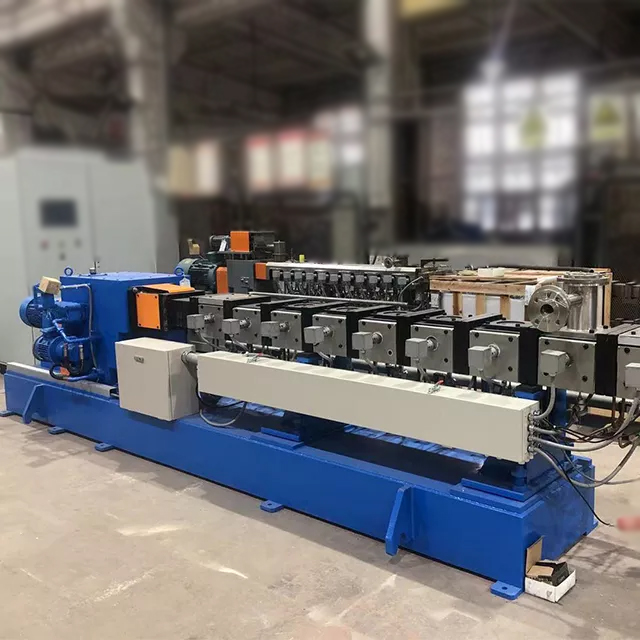
Regular Inspection – Check key components such as screw elements, barrel liners, and gearbox oil levels. Early detection of wear or contamination can save thousands in repair costs.
Lubrication Matters – Keep the gearbox and bearings properly lubricated. Overheating or abnormal noise usually indicates insufficient lubrication or bearing failure.
Cooling System Check – Water or oil cooling circuits should be inspected for leaks and blockages. Efficient temperature control ensures stable operation and prevents overheating.
Replace Worn Parts Promptly – Worn screws or barrel segments lead to poor mixing and reduced output. Replacing them in time maintains extrusion consistency and energy efficiency.
Best Practices for Longevity
Think of your extruder as a long-term investment rather than just a machine. Operators should receive regular training on equipment handling and safety protocols. Keep detailed maintenance logs to track wear patterns and schedule preventive maintenance accordingly. And always use original spare parts that match the extruder’s specifications.
For businesses seeking reliable and high-performance extrusion solutions, investing in a quality Parallel Twin Screw Extruder can make all the difference. When properly maintained and operated, this machine can deliver years of consistent performance, ensuring every pellet and profile meets the highest production standards.
Conclusion
In short, the efficiency of your extrusion line depends not just on the technology itself but also on the care and attention given to it. With the right maintenance strategy and proper daily operation, your Parallel Twin Screw Extruder will reward you with reliability, precision, and productivity—day after day, batch after batch.